Digital Marketing

  • The OTHER Side of Event Marketing- Being a Creative for an Event Miles Away

    If you know me, you know I absolutely HATE event marketing. It was a recurring part of my role as a Marketing Coordinator and while I loved the after event snacks, everything else was just…well, ALOT.

    When I moved from Marketing Coordinator to Content Writer, I was convinced my days of events were over. But I was recently brought in for a project that took my event experience to a whole new level…I was brought in as a creative. THAT was a whole different game. Especially since I was miles away.
    Communication is Your Superpower

    Not being physically there means you can’t just peek over a shoulder or make a quick chat with the team. Every message counts and over-explaining (my personal fave TBH) can save you hours of back and forth and a lot of headaches.

    Trust, But Verify

    One of the biggest lessons? Trust the on-site team—but back that trust with structure.

    That means having clear guidelines, schedules, and version-controlled files. It also means setting up feedback loops early so you’re not getting a “final” photo from the event with the wrong brand logo on the banner you signed off on a week ago. (Don’t ask me how I know this).

    Tools That Make Distance Work

    Being remote forces you to be tool-savvy. Trello boards became my project bible. Loom videos replaced meetings. Google Docs with comment threads practically ran the show. WhatsApp made an appearance.

    But here’s the kicker: tools only work if everyone uses them. So I made it my mission to keep things simple, centralised and idiot-proof- because when you’re hours away and running on different schedules, clarity is queen.

    The Silver Lining

    There’s something uniquely satisfying about seeing your work come to life at an event you didn’t physically attend. It’s like sending your creative child off into the world and getting back photos of it thriving.

    Plus you build skills that stick: asynchronous collaboration, documentation, planning for the unexpected- all things that make you a better creative, no matter what your industry or where you’re based.

    Final Thoughts

    Event marketing isn’t always glamorous. And doing it remotely? That’s a whole other type of challenge. But with good systems, clear comms and a healthy dose of flexibility, you can make the magic happen- even from miles away.

    So if you’re the remote creative behind an event team, just know: your work matters. I don’t know if you’ve heard it before or not but you are a superstar and Marketing teams everywhere NEED YOU! YOU ARE GOLD!
  • 8 Lessons I Learnt in the Last 8 Months of Freelancing

    Can you believe I’ve been freelancing for EIGHT months straight? It’s wild to me that something that was meant to keep my skills sharp while I find my next role, has kinda turned into a career of its own.

    So, in celebration, here are 8 lessons I’ve learnt in the last 8 months:

    I should have been nicer to my Math teachers

    I was an absolute nightmare in Math class. It never made sense to me- and things only got worse when they added the alphabet in high school. No, I don’t want to solve that equation. I used to tell anyone who’d listen that I was going to be a journalist and didn’t need Math.
    Now look at me, trying to calculate long-term budgets and runway like I’m running a fintech startup (which incidentally was my last formal job).

    Time is a social construct

    This was my teenage excuse for staying out too late. Now? It’s a core business value.
    Some weeks I work 10 hours. Other weeks I’m glued to my laptop/tablet/pen-and-paper doing research.
    (It’s called “balance.”)

    Some days i feel like i can actually do this! oTHER DAYS i WANT TO WORK AT STARBUCKS…OR MCDONALDS

    Let’s blame this on nostalgia- both brands were vital to me when I worked in an office.
    Also… I really want to learn how to use a commercial coffee machine.

    resting is a valuable part of working

    You cannot run yourself ragged especially if your business depends on YOU! Burnout is no one’s friend. No matter how often it tries to pop in uninvited.

    i do not have everything figured out

    There is ALOT of learning on the go when you freelance. You may not know everything but you will learn. The important thing is to keep showing up and be willing to learn.

    working in pj’s is great…until it isn’t

    At some point you start to feel ick and miss dressing up. Feel free to dress up to fetch your deliveries or even just to sit at your laptop. There are no rules.

    every invoice paid brings me joy

    I’m not sure if this is just me but I get really excited every time an invoice is paid. I think this stems from my background in corporate where freelancers would usually yell at me because their invoices were unpaid (I mean I get that they were unhappy about late payments and as a freelancer, I got it but as a former Customer Care consultant, I never understood why people got so mean when things never went their way).

    “Let’s hop on a quick call” is never actually quick

    Block out atleast an hour and ensure you have snacks and water.

    What are some freelance lessons you’ve learnt along the way? I’d love to know below!

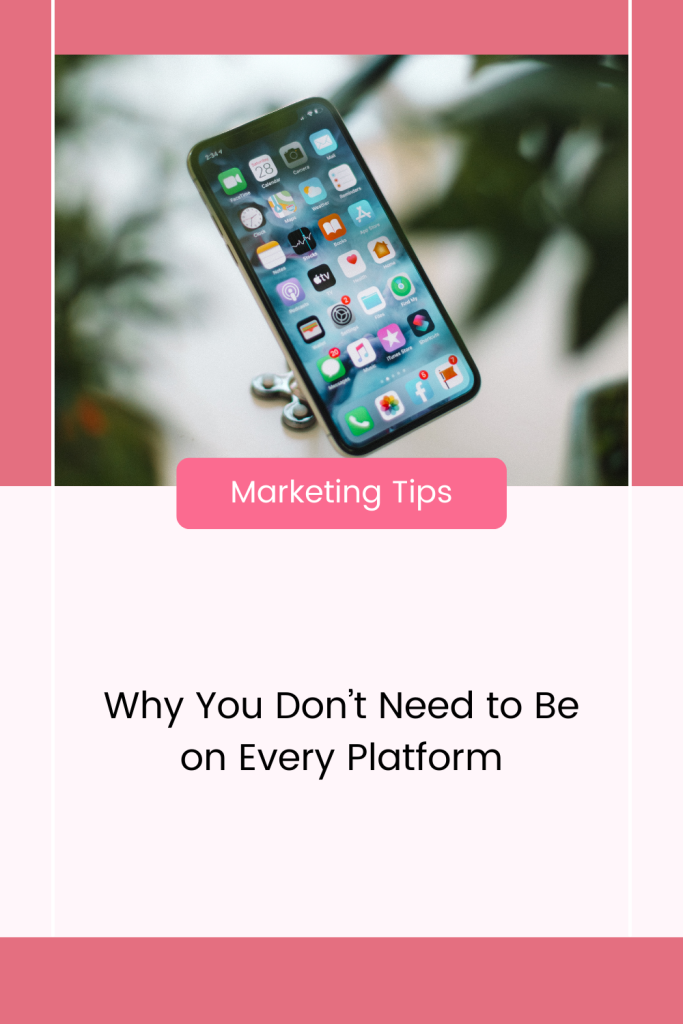
  • Why You Don’t Need to Be on Every Platform

    Okay, hear me out- in the age of all-the-things-digital, there’s this weird pressure to be EVERYWHERE. Facebook, Instagram, TikTok, LinkedIn, Twitter, Pinterest, Snapchat, Clubhouse… oh, and don’t forget that one platform your cousin just started and you have no idea what it even does.

    But here’s the truth bomb: You do not need to be on every platform. In fact, trying to be everywhere often means you’re nowhere. And that’s a fast track to burnout, mixed messaging and basically wasting both your time and your budget.

    Quality > Quantity — every time

    Instead of spreading yourself thin, focus your energy on 1-2 platforms where your real audience is hanging out. Nail your messaging, get consistent, engage genuinely, and watch your influence grow.

    Remember: It’s better to have a strong, active presence on one platform than a ghost town on five. Plus, mastering one platform means less overwhelm and more time for the work you actually love.

    How to choose the right platforms

    • Know your audience: Where are they spending time? Not guessing — actual data and insights.
    • Consider your content style: Are you a wordsmith who shines with long-form posts? LinkedIn might be your best friend. Love quick, catchy visuals? Instagram or TikTok might work better.
    • Your time and resources: If you don’t have a dedicated team or hours to spare, don’t force it.

    What happens when you cut the noise?

    • More clarity in your brand voice
    • Less stress over what to post where and when
    • Better engagement from people who actually care about what you say
    • Time to focus on your core business goals instead of chasing algorithms

    The bottom line

    Marketing isn’t about doing all the things. It’s about doing the right things. And sometimes, that means saying no to platforms that don’t serve your business so you can say a big, confident yes to the ones that do.

    So, take a deep breath, log out of the platforms that don’t light you up, and get back to what matters most- creating kick-ass content that connects and converts.

    Want to chat about which platforms make sense for your biz? Let’s figure it out together.

  • 5 Benefits of Hiring a Digital Marketer for Your Business

    Back when I started working in a small family business, Digital Marketing was NOT a priority for us. We were very focused on sales. (Fun fact- do you know what helps with sales? Marketing).

    But I had just finished my first Digital Marketing course and I was eager to put some of my knowledge to use. So I took a chance and experimented and I’m proud to say we had great results.

    My little experimentation helped us when Covid hit and physical businesses had to close. Once the lockdown was over, we had to transition to a “new normal”- selling online.

    So while you might think that you don’t NEED a Digital Marketer, here are 5 benefits to hiring one:

    1. You Get Expert Advice

    Hiring a Digital Marketer means you get access to someone who knows what they’re doing. Of course this depends on WHAT you hire them for (eg, a SEO specialist might not necessarily be able to help you with Social Media) but by hiring someone with past experience in the channel you’re looking for means access to specialist advice. Bonus point is most Digital Marketers tend to pick up on multiple skillsets so you could get access to a Social Media Manager and Copywriter in one go. Yay for price savings!

    2. Saves You Time and Money From Having to Experiment on Your Own

    Instead of having to learn Digital Marketing or muddle through on your own, hiring someone means you don’t have to spend time trying to keep up with new Marketing trends- that’s their job. Social Media algorithms change quickly which means what brings you results today might not yield the same effect next week. Hiring someone with a Marketing background means they’re supposed to be kept in the know about things like this.

    3. You can focus on your business

    As a business owner you’re already wearing a few hats. Outsourcing your Marketing means you can free up your time to focus on your business and day-to-day things while your Digital Marketer focuses on Marketing.

    4. You can pay just for the services you need

    Like I said before, a Digital Marketer comes with a variety of skills. But when you hire one, you can hire for one specific skill whether this is Social Media Management, updating your blog or Paid Advertising. This means you get the exact skill that you need without having to pay a huge chunk of cash for other things that add no value to your business.

    5. Personalised Attention

    Working with a good Digital Marketer means personalised attention. Unlike huge businesses and agencies that are struggling to balance deadlines and clients, hiring an experienced Digital Marketer gives you personalised attention and helps you to reach your business goals.

    Choosing the right digital marketer can feel like a challenge, but it’s one of the most impactful decisions you’ll make for your business. Whether you need support with content writing, social media advertising, or any other aspect of digital marketing, I’m here to help you achieve your goals. Feel free to contact me here

  • 10 Social Media Mistakes Your Business Should Avoid

    Everyone loves social media. And as a business it’s easy to think that you need to be on every platform (you don’t). But no matter which social media platform you choose, there are some common social media pitfalls you should avoid:

    1. Being MIA (Missing in Action)

      If your last social media post is starting to collect cobwebs, it’s time to dust off your accounts! Consistency is key when it comes to engaging your audience. A tumbleweed-filled feed doesn’t exactly scream “active and thriving business.”

      2. Hashtag Overload

        Sure, hashtags can boost your visibility, but #using #too #many #hashtags can be a bit #overwhelming. Keep it simple and relevant. Nobody wants to decipher a hashtag puzzle just to get to your message.

        3. Ignoring Your Audience

          Building relationships is what social media is all about. So engage with your followers! Respond to comments, messages, and show them some love.

          4. Posting Like a Broken Record

            Variety is the spice of life, right? Don’t keep serving up the same old dish to your audience. Mix it up with different content types to keep things fresh and exciting.

            5. Using Irrelevant Memes

              Memes are like spices- when used right, they add flavour; when overdone, they ruin the dish. Make sure your memes are on-brand and relevant. Remember, not every meme is a winner for your brand.

              6. Being a Ghost Follower

                Don’t be that account that only pops up to promote, then disappears into the night. Support other businesses, engage with your community, and show some digital love. Social Media is about more than just sales- you’re building a community.

                7. Neglecting Analytics

                  Don’t fly blind! Keep an eye on your analytics to see what’s working and what’s not. It’s like having a GPS for your social media strategy- helps you stay on course and reach your destination.

                  8. Over-Automation

                    Automation can be a lifesaver, but too much of a good thing can turn robotic. Find a balance between automated posts and genuine, human interaction. Your followers want to connect with YOU, not a bot.

                    9. Forgetting to Proofread

                      Typos and grammar fiascos can make your business look less than professional. Before hitting “post,” give your content a once-over. Trust me; your audience will appreciate the effort.

                      10. Buying Followers

                        Don’t do it. Resist the urge to take the easy route and buy followers. It’s like trying to inflate a balloon with holes- it may look big, but it won’t float for long. Focus on growing a genuine, engaged audience instead.

                        Watch out for these social media slip-ups, and you’ll be cruising towards social media success in no time. Avoiding these common mistakes will help you build a strong online presence and connect with your audience authentically.

                        Now go out there and shine on social media like the star you are!

                      1. The Beginner’s Guide to Starting a Blog for Your Business

                        So you’ve decided to start a blog for your business but you’re not sure where to start? Here are a few tips and tricks to help you as a beginner blogger:

                        First, before you even launch your blog, have you taken care of these 10 Things? A blog is great but how do you manage to churn out content consistently? You’d need to create a content calendar- here are a few tips to help you draw up your first content calendar. Once you have great content, save yourself some time by repurposing your content every so often. That way you get more mileage out of your content and save yourself from needing to be chained to your laptop for some time.

                        I also have a round up of some basic SEO principles to help ensure your blog gets ranked on Google.

                        Last but certainly not least, make sure to develop a blogging scheduleto ensure your blog doesn’t get all old and cobwebby. It’s YOUR business so it’s important that this schedule is aligned to YOUR timelines.

                      2. 5 Common Mistakes to Avoid When Launching a New Website

                        There I was innocently browsing a website a friend had recommended to me. And the experience was… awful. It was for an app but I couldn’t find the download button. Or rather every time I found a download button (the website had 3 of them) it all lead to a contact page. The whole experience left me with a headache.

                        But this got me thinking about when you’re launching a new website and how you need to be so careful before sharing your website with others. Here are 5 common mistakes to avoid when launching a new website:

                        1. Ignoring seo

                        You might not be interested in SEO when you start a new website. Maybe you don’t have time or don’t have the energy. Whatever your excuse is, listen to me now and PLEASE DO NOT IGNORE SEO.

                        For my first website, I ignored SEO for about 6 years. When I did finally learn more about SEO (against my will TBH. It was part of a module I was studying at the time) and started implementing strategies, my website traffic more than doubled. For months afterwards, I could take it easy on the blogging and promoting because SEO was doing all the work for me.

                        2. Forgetting about a CTA

                        A CTA (Call to Action) is when you tell your audience what to do next. Examples of CTAs are “Visit Now”, “Get Yours Here” or “Buy Now”. You want to give your audience instructions on what next steps are. For example, if you’re an app, your CTA might be “Download App” or “Learn More”.

                        3. NOT OPTIMISING FOR MOBILE

                        This is an understandable oversight especially as a new business but almost everyone is on mobile. Make sure that your website is mobile-friendly. How do you do this? Ensure speedy loading times (especially on mobile), short sentences that are easy to understand and lots of white space.

                        4. BROKEN LINKS

                        Before going live with your website, test for broken links- everywhere!!! Test, test and test again. Make sure that links go to the correct webpages or downloads. Broken link are an annoyance in any business but if you’re a small business, this is one of the things that make people think you’re a scam.

                        5. Get a third party to test your website

                        Get someone who hasn’t seen your website before. Make them navigate your website and give you their thoughts. This is an excellent way to get an honest view of your site and any improvements you need to make.

                      3. Do You Need a Content Writer or a Copywriter?

                        So you’ve decided to hire someone to write for your business? But what exactly do you need? While the titles of Content Writer and Copywriter are often used interchangeably, there are a few differences between the two.

                        Duties of a Content Writer vs a Copywriter

                        A Content Writer typically writes long-form content such as blogs, articles and white papers. A Content Writer needs to be able to inform or educate their audience.

                        A Copywriter writes shorter content- usually with the aim to sell to an audience. A Copywriter may write copy on a webpage, product pages or PPC ads.

                        So now that you know what the difference is, do you actually need one?

                        Maybe. In today’s world, many business owners choose to go the way of AI. After all Chat GPT can do any writing you need, right? Technically yes. But a Content Writer or Copywriter has trained specifically for this role. We learn what words to use when and why. AI tends to be pretty repetitive and if you’re using AI and your competitor is using AI eventually you’re both going to come up with content/copy that looks pretty similar.

                        Interested in chatting more about Content or Digital Marketing? Let’s chat